
AI Workforces: Driving Enterprise Growth & Outcomes
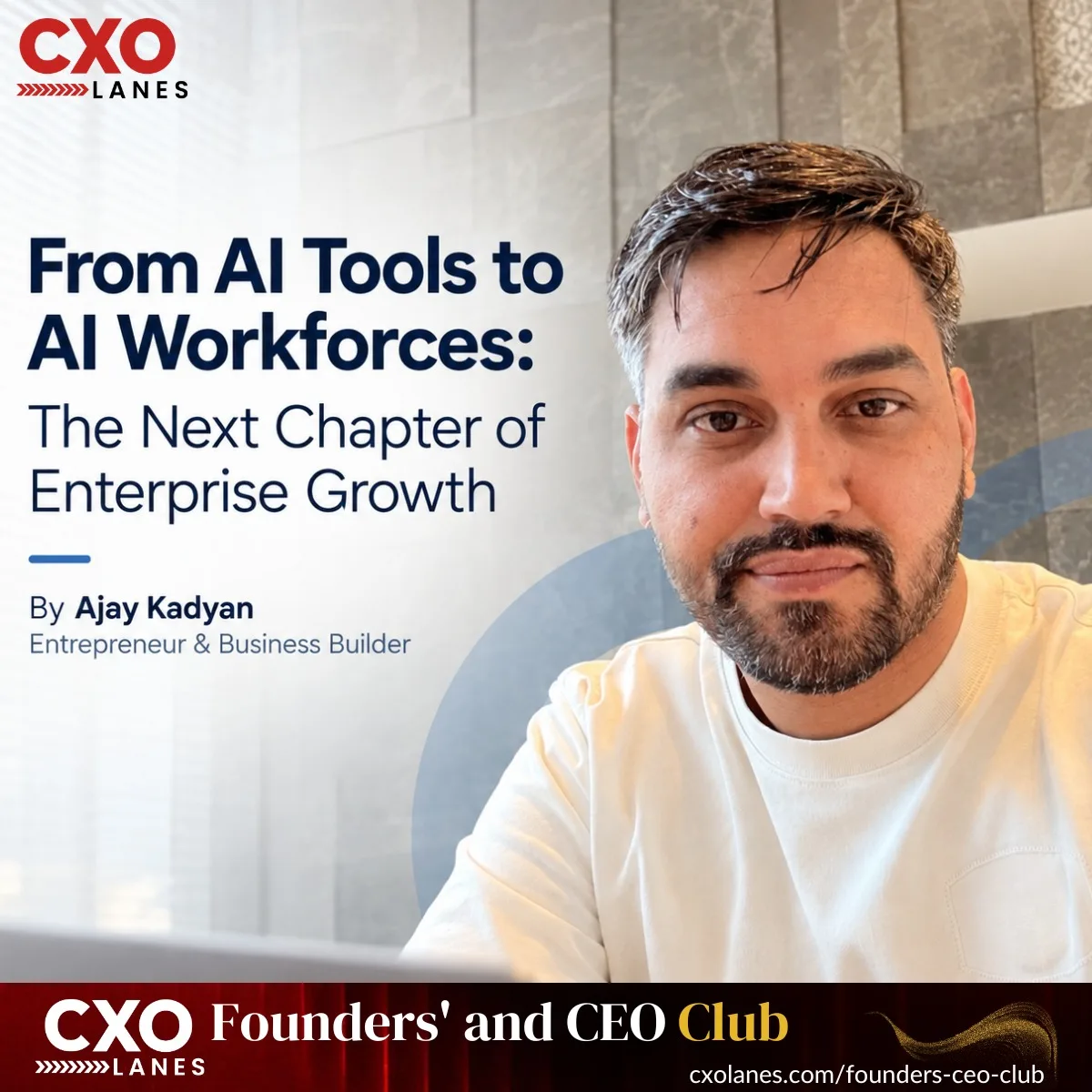
By Ajay Kadyan
Businesses today have access to more AI tools than ever, yet many still face slow execution, disconnected workflows and operational complexity. The challenge is not adopting more AI but using it effectively. The next phase of enterprise growth will depend on how well businesses build AI-enabled workforces that deliver measurable outcomes.
For entrepreneurs, AI's real value lies in translating technology into measurable business outcomes. The opportunity is to move beyond tools that assist with individual tasks towards intelligent systems that execute end-to-end workflows, coordinate activities and help businesses scale efficiently.
From Task Automation to End-to-End Execution
AI can automate individual tasks, but its greater potential lies in connecting them into seamless business processes.
For instance, AI can identify promising leads, initiate follow-ups, schedule meetings and update customer records. During customer onboarding, it can coordinate document collection, verification and status updates to reduce delays. In collections, AI can prioritise overdue accounts and automate reminders, with human intervention where needed.
The distinction is important: automating a task improves one activity, while connecting multiple tasks enables an entire workflow to operate more efficiently. This is where businesses can create a meaningful competitive advantage.
Building a Workforce That Scales
As businesses grow, operational complexity often increases alongside revenue. AI-enabled workforces can help manage this complexity without relying exclusively on additional headcount.
Rather than replacing people, AI can handle repetitive activities and routine coordination, allowing employees to focus on strategic decisions, customer relationships and innovation. Achieving this balance requires reliable data, clear accountability and appropriate human oversight.
Growth Must Come Before Technology
A common mistake in AI adoption is investing in technology before defining the business outcome. Entrepreneurs must first identify growth constraints, whether they involve slow sales cycles, inefficient onboarding, delayed collections or rising operating costs.
A disciplined approach begins with a specific business problem, measures the results and scales what works. Metrics such as conversion rates, onboarding time, collection cycles and productivity can help establish whether AI is delivering tangible value.
Ultimately, the shift from AI tools to AI workforces is about rethinking how businesses execute. Sustainable growth will depend on building intelligent, connected workflows that turn business objectives into measurable outcomes and enable organisations to scale without adding unnecessary complexity.
Discover more with UnleashX
#ArtificialIntelligence #AIWorkforce #BusinessGrowth #cxolanes
Share this article
Send it to a colleague or post it to your network.