
Supply Chain Orchestration: Guide for Operations Leaders
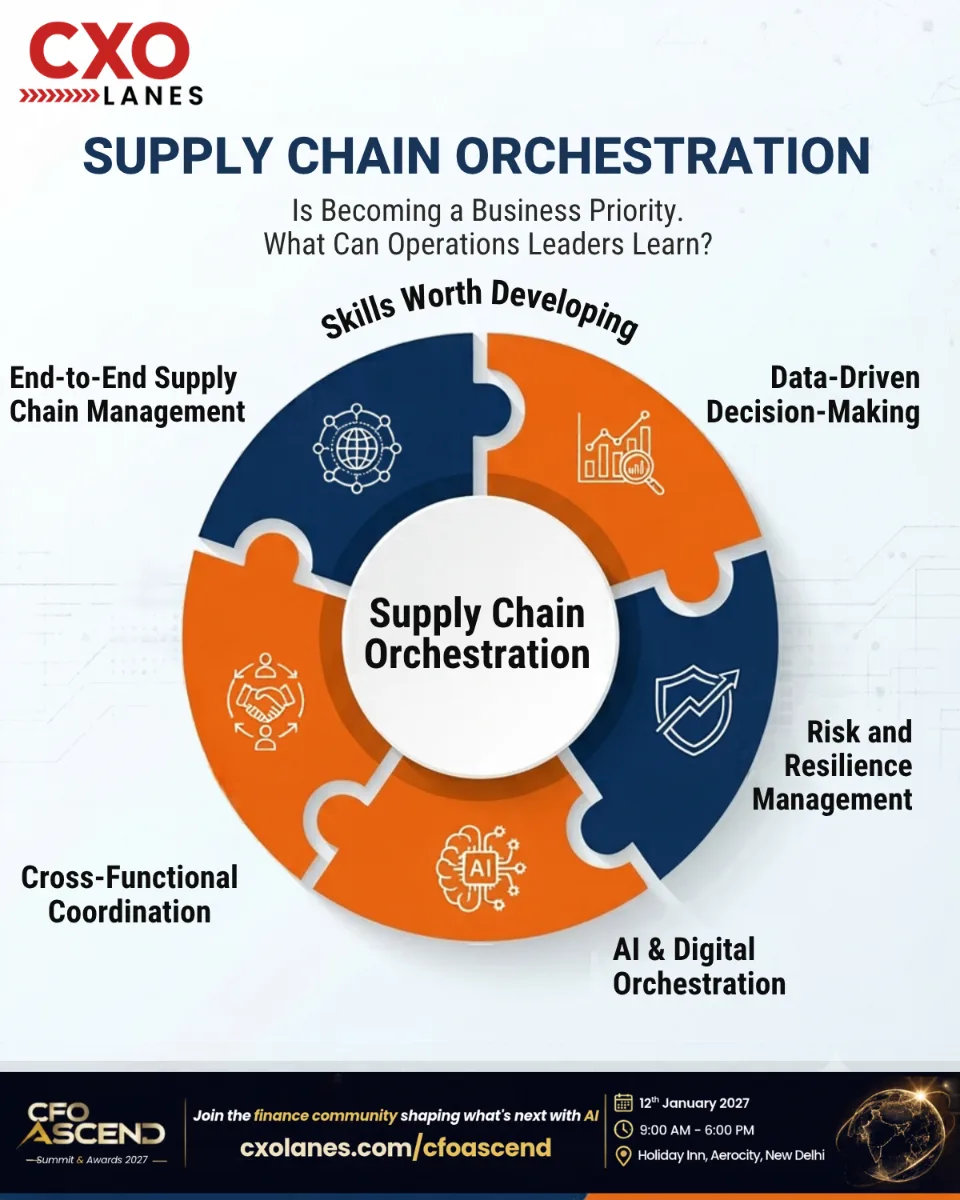
𝗦𝘂𝗽𝗽𝗹𝘆 𝗖𝗵𝗮𝗶𝗻 𝗢𝗿𝗰𝗵𝗲𝘀𝘁𝗿𝗮𝘁𝗶𝗼𝗻 𝗜𝘀 𝗕𝗲𝗰𝗼𝗺𝗶𝗻𝗴 𝗮 𝗕𝘂𝘀𝗶𝗻𝗲𝘀𝘀 𝗣𝗿𝗶𝗼𝗿𝗶𝘁𝘆. 𝗪𝗵𝗮𝘁 𝗖𝗮𝗻 𝗢𝗽𝗲𝗿𝗮𝘁𝗶𝗼𝗻𝘀 𝗟𝗲𝗮𝗱𝗲𝗿𝘀 𝗟𝗲𝗮𝗿𝗻?
End-to-end supply chain orchestration helps organizations connect procurement, production, logistics and planning into one coordinated system. For operations and supply chain professionals, this highlights the importance of integrated decision-making, data visibility and the ability to respond quickly to changing business demands.
𝗦𝗸𝗶𝗹𝗹𝘀 𝗪𝗼𝗿𝘁𝗵 𝗗𝗲𝘃𝗲𝗹𝗼𝗽𝗶𝗻𝗴:
𝗘𝗻𝗱-𝘁𝗼-𝗘𝗻𝗱 𝗦𝘂𝗽𝗽𝗹𝘆 𝗖𝗵𝗮𝗶𝗻 𝗠𝗮𝗻𝗮𝗴𝗲𝗺𝗲𝗻𝘁: Understand how procurement, planning, manufacturing and logistics work together.
𝗗𝗮𝘁𝗮-𝗗𝗿𝗶𝘃𝗲𝗻 𝗗𝗲𝗰𝗶𝘀𝗶𝗼𝗻-𝗠𝗮𝗸𝗶𝗻𝗴: Use integrated data and real-time insights to improve visibility and operational decisions.
𝗥𝗶𝘀𝗸 𝗮𝗻𝗱 𝗥𝗲𝘀𝗶𝗹𝗶𝗲𝗻𝗰𝗲 𝗠𝗮𝗻𝗮𝗴𝗲𝗺𝗲𝗻𝘁: Identify supply chain disruptions, assess potential risks and develop faster response strategies.
𝗔𝗜 𝗮𝗻𝗱 𝗗𝗶𝗴𝗶𝘁𝗮𝗹 𝗢𝗿𝗰𝗵𝗲𝘀𝘁𝗿𝗮𝘁𝗶𝗼𝗻: Understand how Agentic AI can support scenario analysis, inventory planning and coordinated execution.
𝗖𝗿𝗼𝘀𝘀-𝗙𝘂𝗻𝗰𝘁𝗶𝗼𝗻𝗮𝗹 𝗖𝗼𝗼𝗿𝗱𝗶𝗻𝗮𝘁𝗶𝗼𝗻: Align teams, suppliers and logistics partners around shared business goals and performance metrics.
Understanding supply chain orchestration helps operations leaders move beyond functional silos, improve efficiency and agility, and create measurable business impact through coordinated decisions.
Share this article
Send it to a colleague or post it to your network.